Subtractive AI Photometry & Spatial Background Isolation Engine
FieldNet is a non-generative computer vision model engineered for astronomical background isolation. It evaluates spatial illumination patterns, light pollution gradients, and optical vignetting to perform pure mathematical subtraction without altering raw sensor photometry.
Zero generative diffusion or GANs. Never invents stellar profiles or nebular features.
Sub-second matrix evaluation. Operates efficiently across Apple Silicon, DirectX GPUs, and legacy x86 CPUs.
Full-frame gradient modeling without manual sample point placement.
Watch FieldNet evaluate spatial illuminant tensors, isolate the isolated sky background illumination map, and execute pure mathematical subtraction.
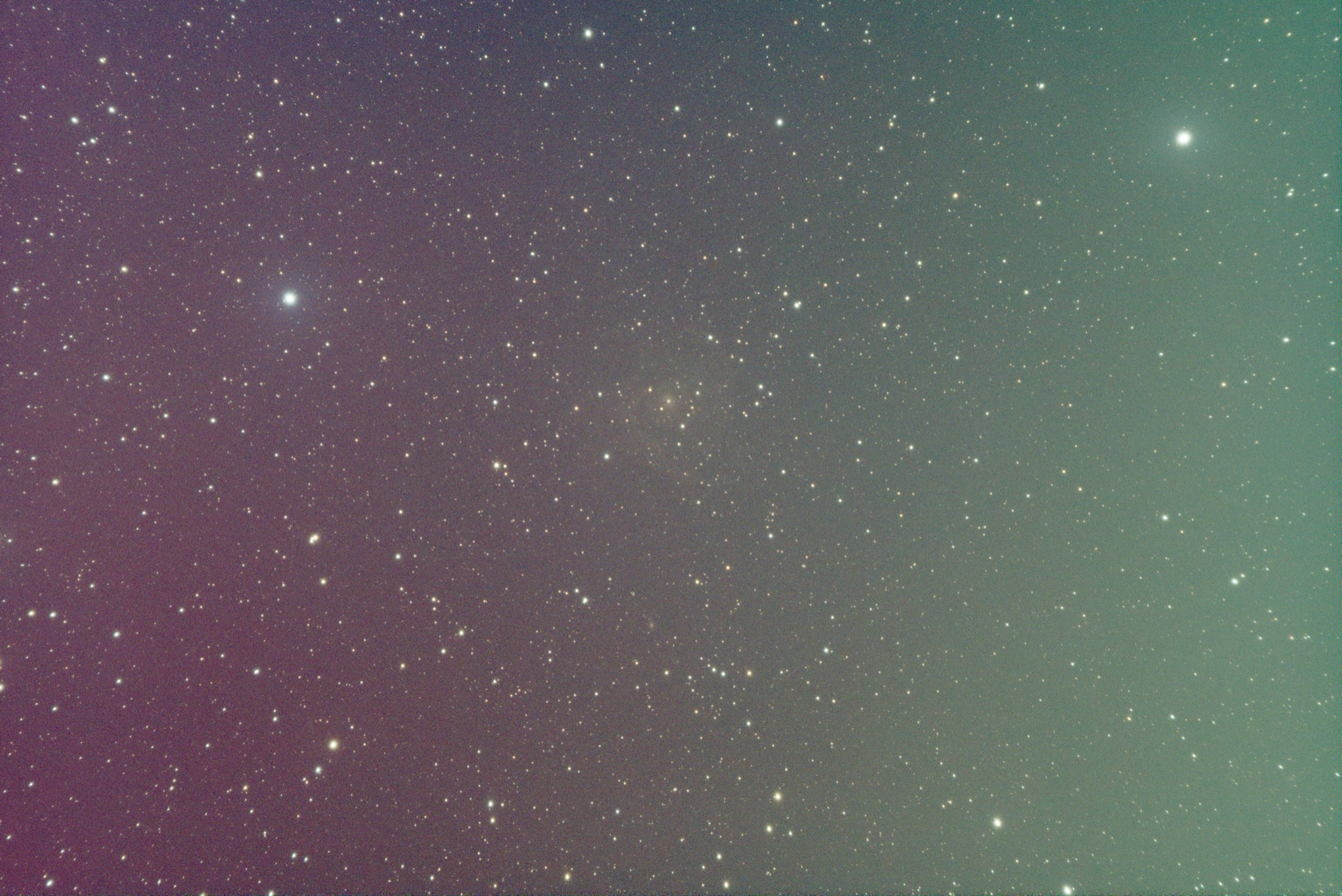
Written in lightweight C++ utilizing enterprise ONNX Runtime inference infrastructure. FieldNet optimizes spatial matrix operations directly on local hardware with zero cloud execution.
Harnesses Apple Silicon Neural Engine cores and unified memory pipeline.
Direct hardware tensor execution across Windows DirectX runtime.
Multi-threaded vector execution without dedicated GPU requirements.
SIMD vectorization enables entry-level dual-core CPUs to evaluate frames efficiently.
Comparative analysis of raw 32-bit floating-point astronomical frames before and after FieldNet background subtraction across distinct observational datasets.
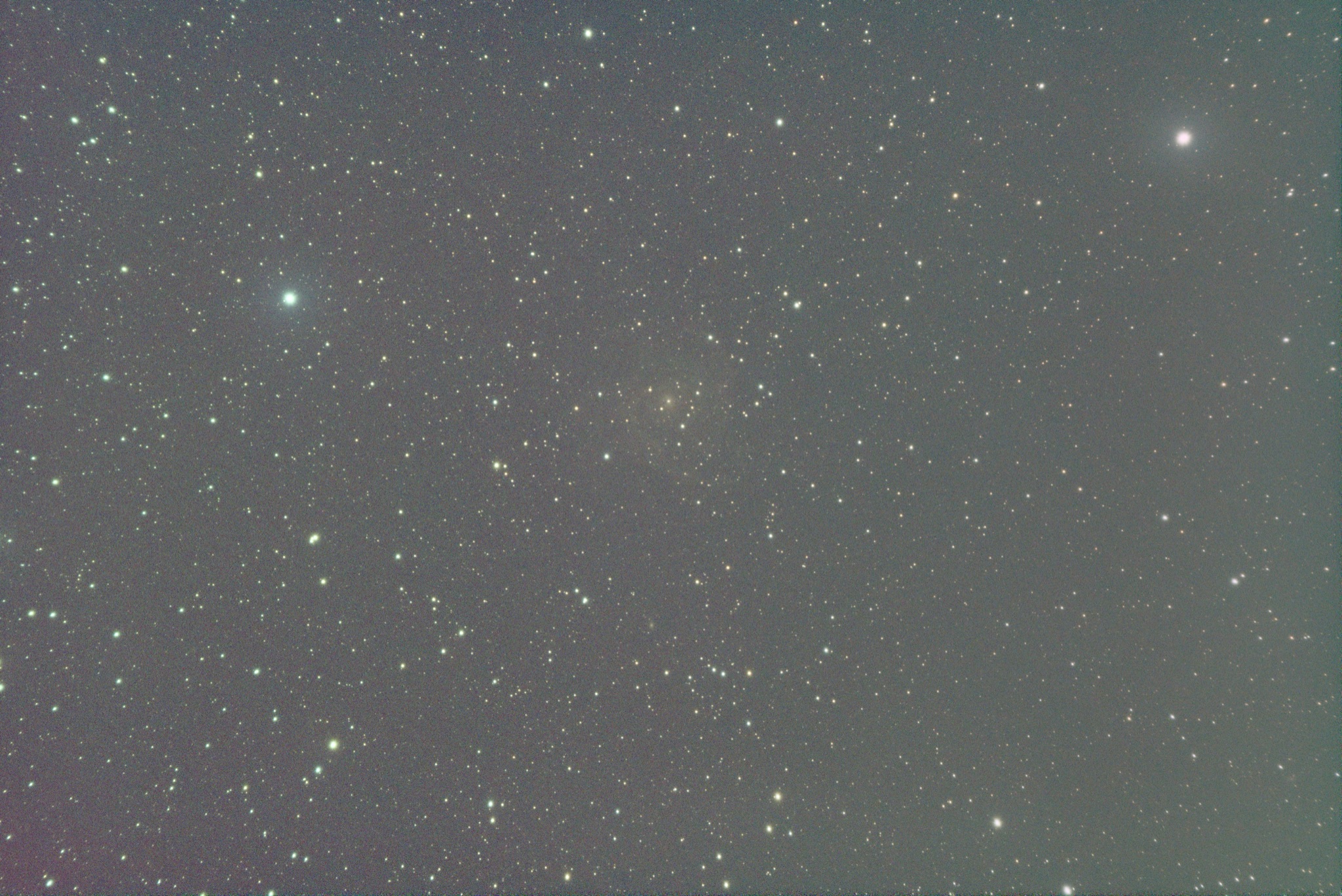
Designed according to strict astronomical photometry standards to guarantee zero alteration of real scientific data.
Unlike generative neural models (Diffusion or GANs) that synthesize artificial pixel details, FieldNet is a deterministic computer vision model. Its sole function is measuring spatial illumination variations to calculate the continuous background map.
Background removal is executed via direct floating-point matrix subtraction. Raw sensor data remains unmutated.
Compiled into a lightweight C++ binary for high execution stability and minimal system resource consumption.
Native CoreML execution via Apple Neural Engine (ANE) and DirectML execution across DirectX GPUs.
Simultaneously evaluates spatial-chromatic distribution, global scene illuminant, and 3-channel RGB statistics.
Enforces smooth spatial continuity across the calculated background model, preventing the network from overfitting to high-frequency nebular features.
Automatically identifies and excludes stars, stellar clusters, and bright nebular regions from the background model calculation.
Comparative analysis between traditional sample-point interpolation (DBE/ABE) and FieldNet automated spatial computer vision.
DeepGradient will be released as a standalone desktop application and as a native module across major astrophotography processing platforms.
Subscribe to receive technical whitepapers and notification upon public availability of standalone installers and plugin modules.